

The civic-tech practitioner’s journal
Practical guides for the people building city apps
Smart City App Hack is a working journal on open city data, hackathons and the civic apps that come out of them — written for developers, civic-tech staff and the municipal teams who have to keep them running.
Newest first
Latest guides
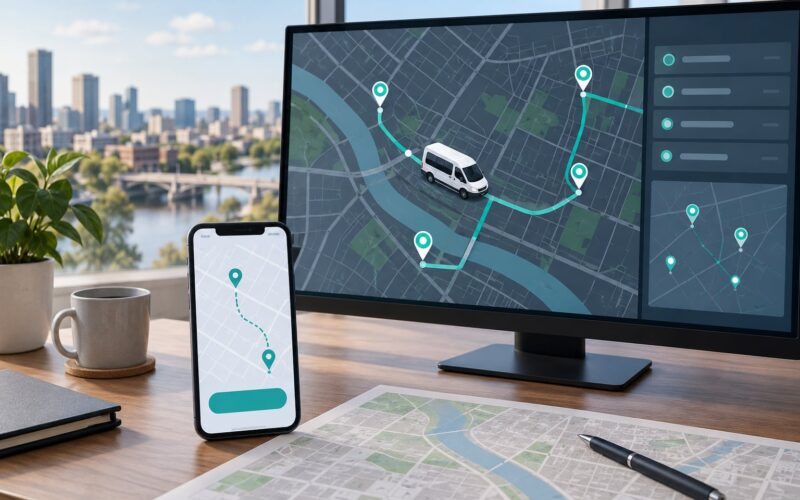
How Microtransit Services Operate: A City Guide (October 2026)
Learn how microtransit services operate in , from rider booking and vehicle dispatch to fares, accessibility, data, and city partnerships in practice.

How School Bus Electrification Programs Work (October 2026)
How school bus electrification programs work: route analysis, depot charging, grants and utility coordination, and the operating changes districts face.

How Electric Vehicle Charging Networks Are Planned 2026
How electric vehicle charging networks are planned: demand forecasts, charger siting, grid capacity checks, equity targets, and phased builds. Updated for .

How Fleet Electrification Saves Money: Fleet Guide 2026
How fleet electrification saves money: lower per-mile energy and maintenance costs, incentives and managed charging. Learn to model payback for .

How Pedestrian Signal Timing Is Decided: A Guide (2026)
Learn how pedestrian signal timing is decided in : crossing distance, walking speed, walk and clearance intervals, and how cities retime a…
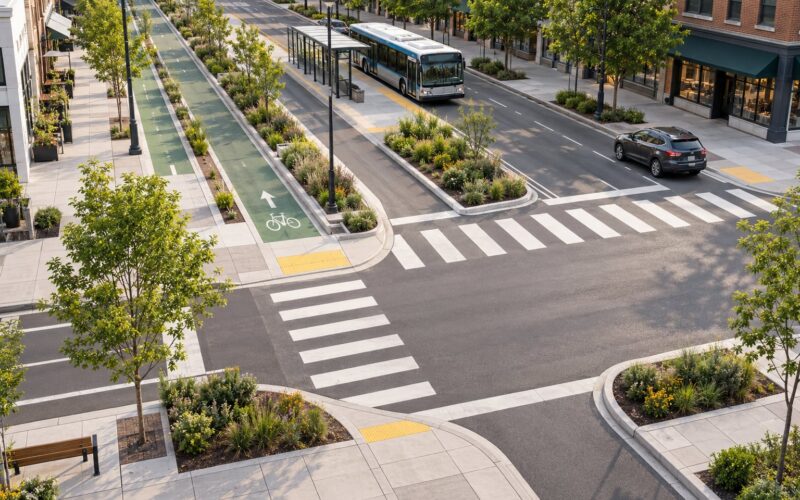
How Complete Streets Design Reduces Crashes in 2026 Guide
Learn how complete streets design reduces crashes and conflicts, and see why street projects make roads safer for walking, cycling, transit, and…

How Roundabouts Improve Intersection Safety (2026)
How roundabouts improve intersection safety in our guide: slower speeds, fewer conflict points, fewer severe crashes, and where designs go wrong.

How Vision Zero Programs Work: Safe Streets, System Change (2026)
Learn how Vision Zero programs work in , from safer street design and speed management to community involvement, data, funding, and measuring…

How Transit Oriented Development Works: A Practical Guide (2026)
How transit oriented development works: the loop between transit investment, station-area zoning, ridership and value capture, plus the five Ds.
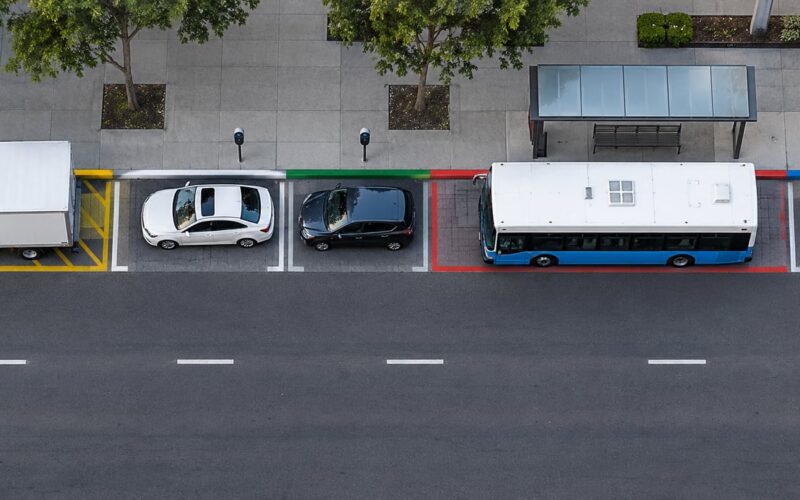
How Curb Management Programs Work (October 2026)
Learn how curb management programs work: curb data and regulations, digital permits, dynamic pricing, enforcement, and the metrics cities use to reallocate…

How Housing Permit Data Reveals Construction Trends (October 2026)
Learn how housing permit data reveals construction trends, from permit fields and unit capacity to baselines, seasonality and forecasts () with a…
Where to start
Browse by topic
A note from the editors
Smart City App Hack exists because the useful parts of civic technology rarely get written down — the municipal API that finally returns clean data, the hackathon weekend that turns into a pilot, the app a transit team can still maintain a year later. So we write them down, step by step, with the awkward middle left in. Whatever you are building for your city, we hope you leave here knowing the next move.
The Smart City App Hack editors

About the site
A journal for civic builders
This is a reading site about smart city technology and civic app development: open municipal data, hackathons and events, urban mobility, and the apps that residents actually use. It starts with the hands-on how-to work and widens into the wider urban-innovation picture as the questions get bigger.